
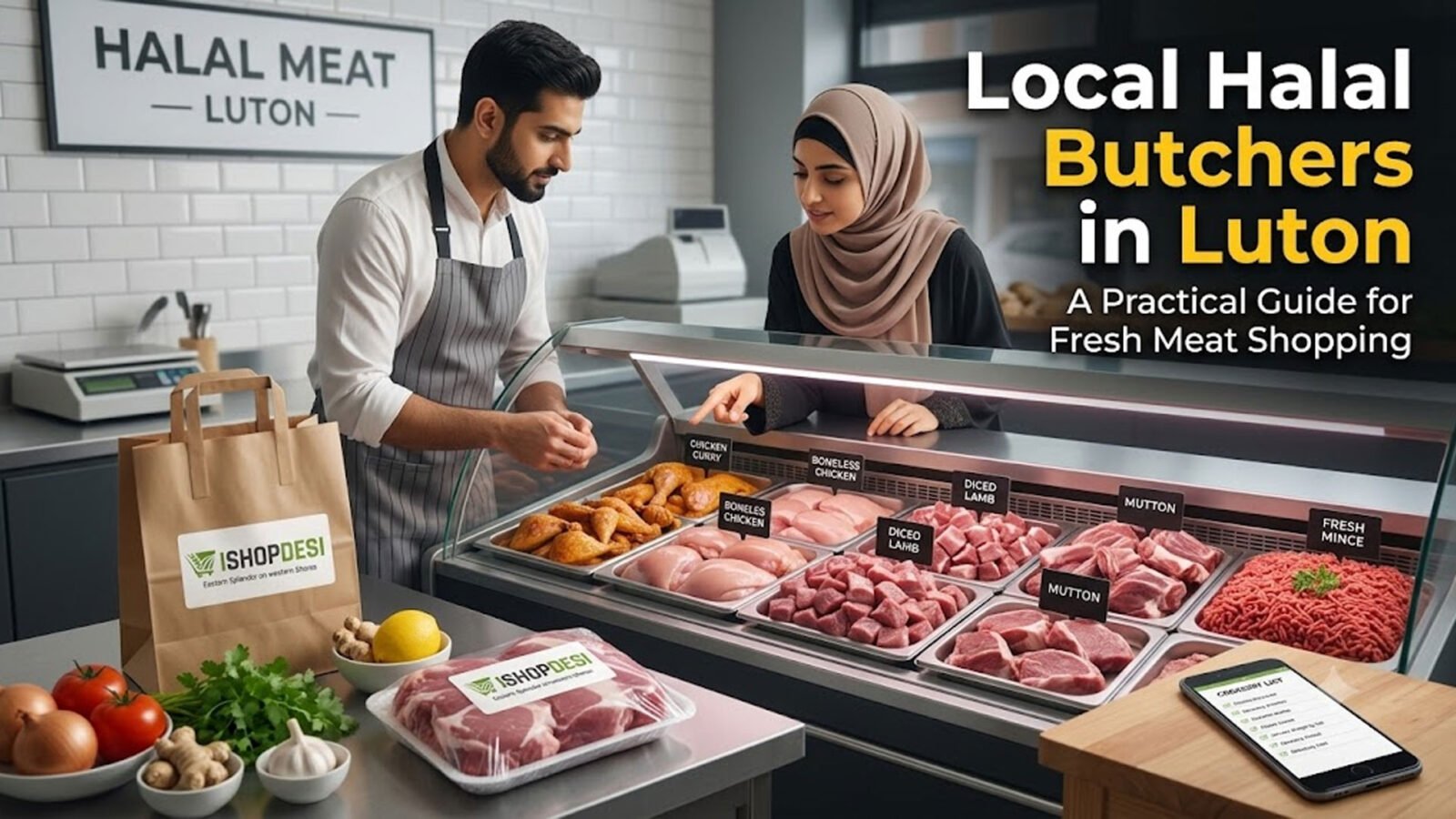
Fresh meat shopping is one of those household tasks that looks simple from the outside, but anyone who cooks regularly knows it needs a little thought. A family may want chicken for weekday curry, mince for a quick keema dinner, lamb for a weekend meal, or mutton for a slow-cooked dish. The right choice can make cooking smoother. The wrong cut can make the meal harder than it needs to be.
For many Muslim and desi households, local halal butchers in Luton are important because meat is not just another grocery item. It connects to trust, freshness, meal planning, family portions, and the way food is cooked at home.
A good butcher can help families choose meat that suits their dish, their budget, and their weekly routine. This guide explains what to look for, which cuts work for common meals, and how to plan fresh halal meat shopping more confidently.
Why Fresh Halal Meat Shopping Still Matters
Fresh halal meat plays a big role in everyday cooking. Whether the plan is chicken curry, keema, lamb biryani, mutton karahi, kebabs, or a simple family dinner, the meat affects the final result.
Good meat can cook better, absorb spices properly, and give the dish the texture people expect. Poorly chosen meat can become tough, dry, too fatty, or unsuitable for the recipe.
This is why choosing a reliable halal butcher Luton option matters. Families are not only buying meat. They are choosing the base of the meal.
For home cooks, fresh halal meat shopping is also about comfort. When the meat is clean, fresh, and cut properly, the cooking process becomes easier before the pot even goes on the stove.
The Real Issue: Not Every Cut Works for Every Dish
One common mistake is buying meat without thinking about the dish first. Chicken for curry is not always the same as chicken for grilling. Mince for keema may not be the same as mince for kebabs. Lamb for biryani may need a different cut than lamb for chops.
That is why fresh halal meat Luton shoppers should think beyond the word “meat” and focus on purpose.
Before buying, it helps to ask:
- Is this for curry or grilling?
- Will it be cooked quickly or slowly?
- Do I need bone-in or boneless?
- Is this for adults, children, guests, or meal prep?
- Do I need small portions or family-size packs?
A clear cooking plan makes butcher shopping much easier.
What Makes a Good Local Halal Butcher?
A good halal butcher should make customers feel confident about what they are buying. The shop should look clean, the meat should be stored properly, and the staff should understand different cooking needs.
Customers often appreciate butchers who can explain cuts, prepare portions, and suggest what works best for curry, biryani, kebabs, chops, mince, or slow cooking.
A practical halal meat shop should offer:
- Fresh-looking chicken, lamb, mutton, beef, and mince
- Clear handling and clean preparation
- Helpful cutting options
- Good knowledge of family cooking needs
- Portion sizes suitable for daily meals or gatherings
- Honest guidance when one cut is better than another
For many households, the best butcher is not only the one with meat available. It is the one that understands how the family plans to cook.
How to Check Freshness Before Buying
Freshness matters because it affects taste, cooking quality, and confidence. Most shoppers do not need to be experts, but they can still notice the basics.
Fresh meat should look clean and well-handled. The colour should appear natural for the type of meat. Packaging should not look damaged or poorly sealed. The shop should feel organised, and the display area should be properly maintained.
When buying halal chicken Luton, shoppers may look for pieces that appear fresh, clean, and suitable for the intended dish. For curry, bone-in pieces may give more flavour. For wraps or quick meals, boneless chicken may be easier.
For lamb, mutton, or mince, it is also worth asking when the meat was prepared and which cut is best for the meal being planned.
A few careful questions can prevent disappointment later.
Choosing the Right Meat for Common Family Meals
Chicken for Everyday Cooking
Chicken is one of the most flexible meats for family meals. It works for curries, biryani, grilled dishes, wraps, roast-style meals, and quick dinners.
For weekday cooking, curry-cut chicken is often practical. For children’s meals or wraps, boneless chicken may be easier. For soups, traditional dishes, or stronger flavour, bone-in cuts may work better.
Families who cook chicken often should decide whether they need:
- Curry pieces
- Boneless breast or thigh
- Whole chicken
- Chicken mince
- Wings or drumsticks
- Grill-ready pieces
The best choice depends on the meal, not just the price.
Lamb for Richer Meals
Lamb is often chosen for meals that need deeper flavour. It can work well for biryani, curry, chops, grills, and slow-cooked dishes.
When buying halal lamb Luton, shoppers should think about cooking time. Some lamb cuts are better for quick grilling, while others need slower cooking to become tender.
For family meals, lamb curry pieces, lamb mince, or lamb chops may all be useful, but they serve different purposes. A good butcher can help choose the right option.
Mutton for Traditional Cooking
Mutton is often used for rich, slow-cooked meals. It can be ideal for curry, karahi, pulao, weekend cooking, and guest meals when prepared properly.
When shopping for halal mutton Luton, families should remember that mutton usually needs more cooking time than chicken. Bone-in pieces can add flavour, while smaller cuts can help with even cooking.
Mutton is a strong choice when the meal is meant to be hearty, traditional, and full of flavour.
Mince for Fast and Flexible Meals
Mince is one of the most useful options for busy homes. It can be used for keema, kebabs, kofta, rolls, pasta-style meals, stuffed paratha fillings, or quick lunches.
When buying halal mince Luton, the intended dish matters. Keema may need a different texture from kebabs. Some families prefer lean mince, while others want a little fat for flavour and softness.
It is always helpful to ask whether the mince is suitable for the dish you have in mind.
How Luton Families Can Plan Weekly Meat Shopping
Weekly meat shopping becomes easier when families plan by meals instead of buying randomly.
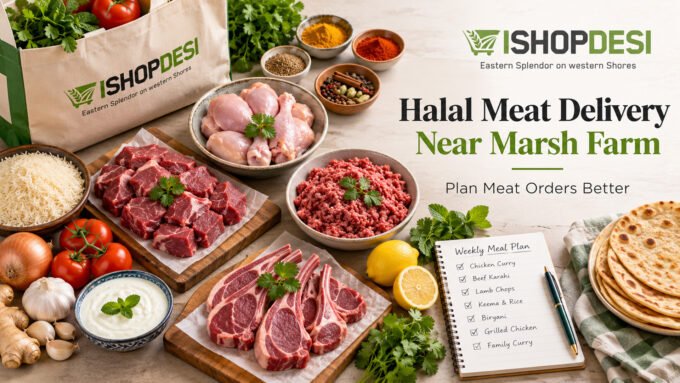
A simple plan may look like this:
- Chicken curry for one or two weekday dinners
- Mince for keema or kebabs
- Lamb or mutton for a weekend meal
- Boneless chicken for wraps or lunch boxes
- Extra pieces for freezing if the week is busy
This style of halal meat shopping Luton helps reduce confusion. It also prevents buying meat that sits unused because it does not match the meals planned for the week.
The goal is not to fill the freezer without purpose. The goal is to buy meat that fits the way the household actually eats.
Questions to Ask Your Halal Butcher
Asking the right questions can make a big difference. Many shoppers hesitate, but butchers are used to helping customers choose cuts.
Before buying, customers can ask:
- Which cut is best for curry?
- Is this better for biryani or slow cooking?
- Can this be cut into smaller portions?
- Is this mince suitable for kebabs?
- Can the chicken be prepared boneless or skinless?
- Which meat will cook faster?
- What cut would you suggest for guests?
These questions help shoppers buy halal meat in Luton with more confidence instead of guessing.
A short conversation at the counter can save time in the kitchen.
Common Mistakes to Avoid When Buying Halal Meat
Buying Without a Meal Plan
Buying meat first and deciding the dish later can lead to confusion. It is better to plan the dish, then choose the cut.
Choosing the Wrong Cut
Some cuts need slow cooking. Some are better for grilling. Some work best with bone. Choosing the wrong cut can affect texture and cooking time.
Ignoring Portion Size
Buying too little can leave the meal short. Buying too much can lead to waste. Family size, number of meals, and leftovers should guide the quantity.
Not Asking About Mince
Mince can vary in texture and fat level. Keema, kebabs, kofta, and burgers may not all need the same type of mince.
Forgetting Storage Time
Fresh meat should be cooked or stored properly. Families should avoid keeping it too long without planning when it will be used.
Meal Ideas Based on Halal Meat Cuts
Weekday Chicken Curry
Chicken curry pieces, onions, tomatoes, garlic, ginger, spices, yogurt, and fresh coriander can create a reliable weekday dinner.
Bone-in chicken can add flavour, while boneless chicken can reduce preparation time.
Quick Keema Dinner
Mince, onions, green chillies, peas, spices, coriander, and paratha or rice can make a fast family meal.
This is useful when the household needs something filling without long cooking.
Weekend Mutton Curry
Mutton pieces, ginger, garlic, onions, tomatoes, whole spices, and fresh herbs can create a slower weekend meal.
This works well when there is more time to cook and the family wants deeper flavour.
Biryani Meat Basket
Chicken, lamb, or mutton can be paired with basmati rice, yogurt, mint, coriander, fried onions, and biryani spices.
The best meat choice depends on cooking time and family preference.
Kebab and Grill Basket
Mince or boneless chicken can be used with kebab spices, salad, chutney, lemon, and flatbread.
This is helpful for quick meals, guests, or weekend snacks.
Why Local Halal Butchers Matter for Muslim and Desi Households
For many families, halal meat shopping is connected to trust. They want to know the meat is halal, fresh, and prepared properly.
A local Muslim butcher Luton option can also understand common cooking styles. Customers may ask for curry cuts, biryani pieces, kebab mince, mutton with bone, or boneless chicken for children’s meals.
This understanding matters because desi and Muslim households often cook meals where the cut affects the final dish.
A butcher who understands these needs can help families shop better.
Can Online Support Help with Halal Meat Planning?
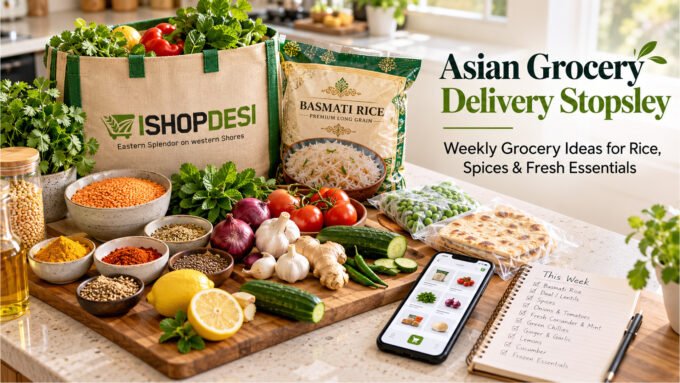
Fresh meat shopping often works best when the rest of the meal is planned at the same time. Meat alone does not complete the dish. Families may also need rice, spices, onions, tomatoes, yogurt, herbs, salad, chutney, or frozen sides.
This is where halal meat delivery Luton and online grocery support can be useful for households that want a more organised routine.
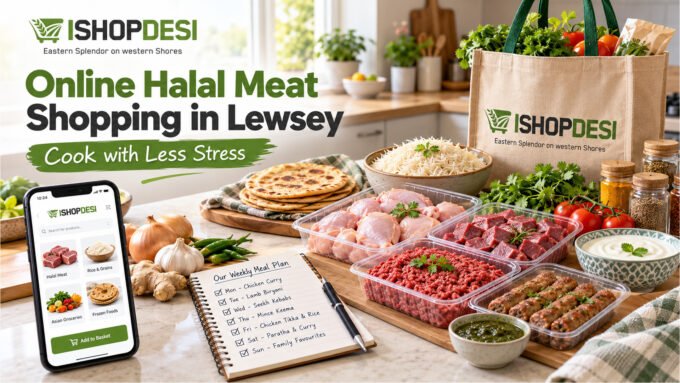
IShopDesi can help shoppers think about the full meal basket rather than only the meat. If the plan is chicken curry, the basket can include curry basics. If the plan is biryani, the basket can include rice, yogurt, herbs, and spices. If the plan is kebabs, the basket can include salad, chutney, and flatbread-style sides.
The focus stays on fresh meat, but the support items make the meal easier to finish.
How IShopDesi Can Support Fresh Meat Meal Planning
IShopDesi can be used as a practical planning point for families who want halal meat and supporting groceries in one routine.
With order halal meat online Luton, shoppers can build meal ideas around chicken, lamb, mutton, mince, kebabs, or family dinner needs.
For example:
- If buying chicken, add onions, tomatoes, spices, yogurt, and rice
- If buying mince, add green chillies, coriander, kebab spices, and paratha
- If buying mutton, add ginger, garlic, whole spices, and fresh herbs
- If buying lamb for biryani, add basmati rice, mint, yogurt, and biryani masala
- If buying grill pieces, add salad, lemon, chutney, and drinks
This kind of planning keeps the article relevant to meat shopping while still helping families think practically.
Fresh Meat Shopping Checklist
Before buying from a halal butcher, it helps to run through a simple checklist:
- Decide which meals you want to cook
- Choose meat based on the dish
- Ask for the right cut size
- Check freshness and handling
- Confirm bone-in or boneless preference
- Plan portion sizes properly
- Add spices, rice, herbs, or sides if needed
- Store the meat safely after purchase
- Cook or freeze it at the right time
This small habit can make fresh meat shopping more reliable.
FAQs About Local Halal Butchers in Luton
What should I look for in a local halal butcher in Luton?
Look for cleanliness, proper meat handling, fresh-looking cuts, helpful staff, and a good variety of halal chicken, lamb, mutton, beef, and mince.
Which halal meat cuts are best for curry?
Bone-in chicken, lamb curry pieces, mutton pieces, and beef curry cuts can work well, depending on the dish and cooking time.
Is chicken, lamb, or mutton better for biryani?
Chicken cooks faster, lamb gives a richer taste, and mutton works well for deeper traditional flavour when cooked slowly.
Can I ask a halal butcher for specific cutting styles?
Yes, many halal butchers can prepare meat for curry, biryani, kebabs, grilling, boneless meals, or family portions.
How can families plan halal meat shopping for the week?
Start with the meals you want to cook, choose the cuts for each dish, plan portion sizes, and add supporting ingredients like rice, spices, yogurt, herbs, and salad.
Can halal meat be ordered with grocery essentials through IShopDesi?
Yes, depending on availability, families can plan halal meat with grocery essentials through IShopDesi to support complete meal preparation.
Conclusion: Better Meat Shopping Starts Before You Reach the Counter
Fresh halal meat shopping becomes easier when families know what they want to cook. The right butcher matters, but the right plan matters too.
When shoppers understand freshness, cuts, portion size, and cooking purpose, they can choose meat with more confidence. Chicken, lamb, mutton, mince, and beef all have a place in family cooking, but each one works best when matched with the right dish.
For households that want wider meal support, halal grocery Luton planning through IShopDesi can help connect meat with the spices, rice, fresh ingredients, and sides needed to complete the meal.
A better meat shop starts with one simple question: what are we cooking this week?








Leave a comment