

A whole chicken sitting in a roasting tray, boneless pieces sizzling in a karahi, and drumsticks coated in a fragrant marinade have one thing in common: they all begin with chicken.
But ask a home cook to prepare these three dishes in exactly the same way, and the results will probably be disappointing.
The shape of the meat changes how it cooks. Bones affect preparation and serving. Breast and thigh meat behave differently under heat. Even the size of the pieces can determine whether a curry turns out beautifully tender or frustratingly dry.
These details matter when choosing chicken for a family dinner.
For households exploring halal chicken delivery Stopsley, the most useful question isn’t simply how much chicken to buy. It’s which cut will make the dish you’re planning easier to prepare and more enjoyable to eat.
Here’s how to make that decision without relying on guesswork.
One Chicken, Several Possibilities: Understanding the Different Cuts
Chicken is often treated as a single item on a grocery list, but its different cuts have distinct characteristics.
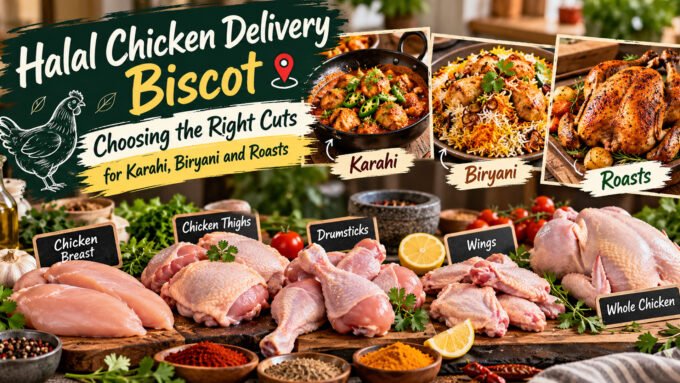
A whole bird offers a combination of white and dark meat. Boneless breast is relatively lean. Thigh meat has a different texture and fat content. Drumsticks contain bone and connective tissue, making them particularly suitable for certain cooking methods.
None is automatically the best option.
The right choice depends on the recipe, preparation time, preferred texture and people you’re serving.
| Chicken cut | Suitable meal ideas | What to consider |
| Whole chicken | Roast dinners, family-style meals | Bird size, preparation and carving |
| Boneless breast | Quick curries, stir-fries, grilled pieces | Lean texture and careful cooking |
| Boneless thigh | Karahi variations, curries, marinaded dishes | Different texture and fat content |
| Drumsticks | Oven-baked chicken, bone-in curries | Bone weight and thorough cooking |
Understanding these differences is the first step towards choosing chicken that works with your cooking rather than against it.
Whole Chicken: When Dinner Deserves a Centrepiece
There is something appealing about bringing a whole roasted chicken to the table.
It makes an ordinary meal feel more like an occasion, particularly when served with spiced potatoes, vegetables, rice or fresh bread.
However, a whole bird requires a different approach from a packet of prepared pieces.
Why Choose a Whole Bird?
A complete chicken contains several cuts, including breast, thighs, drumsticks and wings.
This variety can be useful for households where family members enjoy different parts of the bird.
It also offers flexibility for cooks who know how to portion chicken safely.
Some prefer roasting it intact. Others may divide it into pieces before preparing a curry or another dish.
If you’re considering halal whole chicken Luton, check whether the product is supplied as a complete bird or in a prepared form.
Is a Whole Chicken Always Better Value?
Not necessarily.
A whole bird includes bones and potentially skin, depending on the product. Its total weight is therefore not the same as the amount of edible meat.
Boneless chicken generally costs more per kilogram in many retail settings, but that doesn’t automatically make a whole bird the better purchase for every recipe.
Consider how much preparation is involved and whether your household will use the different cuts.
A whole chicken may be a sensible choice for a roast, while boneless pieces may be more practical for a dish requiring evenly sized chunks.
How Big Should the Chicken Be?
Start with the number of people eating and the other dishes being served.
A roast accompanied by potatoes, vegetables and bread may be portioned differently from a meal where chicken is the main component.
Rather than assuming one bird will feed a particular number of people, review its stated weight and the serving guidance for your chosen recipe.
The size of the chicken also affects cooking time.
Use reliable food-safety guidance to ensure the thickest parts are cooked thoroughly.
Boneless Chicken: Breast and Thigh Are Not the Same
Boneless chicken is often chosen because it can be portioned without removing bones.
But the word boneless doesn’t tell you everything about the meat.
Breast and thigh can behave quite differently in the pan.
Boneless Breast: A Good Match for Quick Cooking
Chicken breast is relatively lean and has a mild flavour.
It can work well in stir-fries, grilled preparations and curries that use appropriately sized pieces.
The main challenge is avoiding overcooking.
Because breast meat contains relatively little fat, prolonged cooking can leave it dry or firm.
That doesn’t make breast unsuitable for curry. It simply means the cooking method matters.
For a quick dish, cut the chicken into reasonably consistent pieces and follow a recipe designed for breast meat.
Boneless Thigh: A Different Texture
Thigh meat contains more fat than breast and has a different texture.
It can be a useful choice for certain curries, marinaded dishes and recipes involving a longer cooking process.
However, it still needs to be cooked properly, and the finished result depends on the recipe.
When comparing boneless halal chicken UK products, check whether you’re buying breast, thigh or a mixed selection.
Two packets with the same weight may offer quite different cooking experiences.
Why the Size of the Pieces Matters
Imagine adding a mixture of tiny chicken cubes and large chunks to the same pan.
The smaller pieces may finish cooking before the larger ones.
That makes it harder to achieve an even result.
For dishes that use diced chicken, try to keep the pieces reasonably consistent.
Follow the recipe’s preparation instructions, especially if you’re using a cut different from the one originally specified.
Drumsticks: An Underrated Choice for Everyday Cooking
Drumsticks tend to get associated with barbecues, but their usefulness extends well beyond outdoor cooking.
They can work beautifully in oven-baked meals and certain bone-in curries.
Their shape also makes them convenient to serve as individual pieces.
Why Drumsticks Work Well in the Oven
Drumsticks can be coated with a suitable marinade and arranged on a baking tray.
Depending on the recipe, seasonings might include garlic, ginger, yoghurt, chilli, paprika or other spices.
The key is to choose a preparation method that cooks the meat thoroughly without burning the coating.
A marinade containing yoghurt or sugar may behave differently from a simple oil-and-spice mixture.
Follow the recipe’s temperature and cooking instructions rather than assuming every marinade requires the same treatment.
Can Drumsticks Be Used in Curry?
Yes.
Many curry preparations can use bone-in chicken pieces, including drumsticks.
However, replacing boneless chicken with drumsticks may affect the cooking time, portioning and final presentation.
The meat needs to cook thoroughly around the bone, and the gravy should be prepared using a method suitable for the chosen cut.
Are Drumsticks Suitable for Children?
That depends on the child’s age, eating ability and the way the food is served.
Bones can present a choking risk, particularly for young children.
For children who cannot safely manage bone-in pieces, an adult should remove the meat from the bone and prepare it appropriately.
This is one reason serving preferences matter when choosing halal chicken drumsticks for a family meal.
Which Chicken Cut Should You Use for Your Favourite Desi Dishes?
A recipe may look familiar, but changing the cut can change the finished meal.
Here’s how to think about some common family favourites.
Chicken Karahi: Bone-In or Boneless?
Traditional karahi preparations often use bone-in chicken pieces, although boneless variations are also popular.
Bone-in pieces can produce a different eating experience, while boneless chicken may be easier to portion and serve.
For a boneless version, breast or thigh may be suitable depending on the recipe.
The important point is to adjust the preparation to the meat rather than expecting every cut to behave identically.
If you’re experimenting with karahi at home, IShopDesi’s easy chicken karahi recipe offers a useful starting point.
Chicken Biryani: Think Beyond the Rice
Biryani is particularly sensitive to cooking technique.
The chicken needs to work with the rice, spices and layering method.
Bone-in pieces are used in many traditional versions, while boneless chicken appears in other recipes.
Both approaches can work when the recipe has been developed for the selected cut.
A boneless version may be easier to serve, but smaller pieces can overcook if the preparation isn’t adjusted.
Don’t replace one cut with another without considering the recipe’s cooking stages.
Chicken Curry: Match the Cut to the Gravy
A quick curry with a relatively short cooking time may suit boneless pieces.
A different curry, designed around bone-in chicken, may use thighs or drumsticks.
There isn’t one universal answer to the question of which halal chicken cuts for curry are best.
A better approach is to examine the recipe’s cooking method, required texture and serving style.
Roast Chicken: Whole Bird or Individual Portions?
A whole bird creates the traditional roast presentation.
Drumsticks or other suitable portions can be useful when everyone prefers individual pieces.
Both options can be served with roasted vegetables, potatoes or appropriately seasoned rice.
The choice depends on how you want to prepare and present dinner.
Three Family Dinner Ideas, Three Different Chicken Cuts
The difference between chicken cuts becomes clearer when you imagine the finished plate.
Dinner One: Whole Roast Chicken with Spiced Potatoes
For a family meal centred around a roast, choose a whole bird of an appropriate size.
A suitable recipe might use garlic, lemon, herbs or spices to season the chicken.
Potatoes can be prepared separately or alongside the bird where the recipe and food-safety guidance allow.
Serve with vegetables, salad or another accompaniment.
The attraction here is the shared presentation and the variety of cuts available once the bird is carved.
Best suited to: A meal where roasting and carving are part of the plan.
Dinner Two: Boneless Chicken Karahi with Fresh Roti
Boneless chicken can be used for a karahi variation that is easy to portion.
The dish may include tomatoes, ginger, garlic, green chillies and selected spices, depending on the recipe.
Choose breast or thigh according to the preparation method and texture you prefer.
Fresh roti and a simple salad can complete the meal.
Best suited to: A recipe designed for boneless pieces and a family that prefers chicken without bones.
Dinner Three: Oven-Baked Drumsticks with Rice and Salad
Drumsticks can form the centre of a straightforward oven meal.
Use a suitable marinade, follow the recommended cooking method and ensure the meat is thoroughly cooked.
Serve with rice and a fresh salad.
The result is different from a roast chicken dinner, even though both use the oven.
Best suited to: Individual bone-in portions with an oven-based cooking method.
These meals demonstrate why choosing the cut before preparing the recipe can make a noticeable difference.
How Much Chicken Should You Buy for a Family Meal?
Chicken portioning is one of those decisions that sounds simple until you compare bone-in and boneless products.
A kilogram of drumsticks doesn’t provide the same amount of edible meat as a kilogram of boneless breast.
A whole bird is different again.
That means pack weight alone doesn’t tell the full story.
Think About the Dish, Not Just the Number of People
A chicken curry served with rice, daal and vegetables may require a different quantity of meat from a meal built mainly around grilled chicken.
Family members may also have different appetites.
Start with the serving quantities in a reliable recipe and adjust them to your household’s needs.
Consider Bones and Trimming
When purchasing bone-in chicken, part of the listed weight comes from bones.
Some products may also include skin.
Boneless cuts have different preparation requirements, although trimming may still be needed.
These differences are worth considering when comparing quantities and prices.
What About Buying Extra?
Buying more chicken can be practical if you already know when it will be used and have appropriate storage space.
However, raw chicken is perishable.
Check use-by dates and storage instructions rather than assuming extra meat can remain in the fridge until you’re ready to cook it.
If freezing is appropriate, portion and store it according to safe food-handling guidance.
Five Chicken-Cut Mistakes Worth Avoiding
Small choices at the beginning of a recipe can affect the final result.
- Using Chicken Breast for Every Dish
Breast meat is versatile, but some recipes are better suited to thigh or bone-in pieces.
Better approach: Choose the cut recommended by the recipe, especially when trying it for the first time.
- Assuming a Whole Bird Is Always the Cheapest Choice
The purchase price doesn’t account for bones, preparation time or how much of the bird your household will use.
Better approach: Compare the amount of usable meat and the requirements of the planned meal.
- Treating Drumsticks Like Boneless Pieces
Bone-in chicken can require a different cooking method and serving approach.
Better approach: Follow instructions designed for drumsticks rather than adapting a boneless recipe without adjustment.
- Cutting Boneless Chicken into Uneven Pieces
Different-sized pieces may cook at different rates.
Better approach: Prepare pieces of a reasonably consistent size where the recipe calls for diced chicken.
- Choosing Chicken Before Deciding What to Cook
This can leave you trying to force an unsuitable cut into a particular dish.
Better approach: Begin with the meal, then select the chicken that makes sense for it.
Safe Chicken Preparation Matters Whatever Cut You Choose
Whether you’re roasting a whole bird or preparing a boneless curry, raw chicken requires careful handling.
Keep Raw Chicken Separate
Raw poultry can contain harmful bacteria.
Use clean utensils and preparation surfaces, and keep raw chicken away from ready-to-eat foods.
Wash your hands thoroughly after handling it.
Don’t Wash Raw Chicken
Washing raw chicken can spread bacteria through splashing water.
Proper cooking, rather than rinsing, is what makes chicken safe to eat.
Refrigerate or Freeze Correctly
Follow the storage instructions and use-by date on the packaging.
Keep raw chicken refrigerated at the appropriate temperature and store it so juices cannot drip onto other foods.
If you plan to freeze it, follow the product instructions and relevant food-safety guidance.
IShopDesi’s guide on how to store halal meat after delivery provides additional information on handling meat at home.
Cook Chicken Thoroughly
Chicken should be cooked all the way through.
A food thermometer can help confirm that the thickest part has reached a safe temperature. Avoid touching the bone when checking bone-in pieces.
Do not rely on surface colour alone to judge whether chicken is cooked.
For whole birds, check more than one thick section as appropriate.
Handle Leftovers Carefully
Cool cooked leftovers promptly and refrigerate them according to food-safety guidance.
Reheat thoroughly when appropriate, and avoid repeated reheating.
Good food handling is just as important as choosing the correct cut.
Ordering Halal Chicken Online in Stopsley: What Should You Check?
Once you’ve chosen the dish and identified the cut, comparing products becomes much easier.
For households looking to buy halal chicken online Luton, the product description should answer several important questions.
Is the Chicken Whole, Boneless or Bone-In?
Don’t rely entirely on the product photograph.
Check the title and description to confirm what you’re purchasing.
For boneless products, look for information about whether the meat comes from the breast, thigh or another cut.
What Is the Pack Weight?
Compare the listed quantity with your recipe.
Remember that bone-in and boneless weights aren’t directly equivalent in terms of edible meat.
Is the Halal Information Clear?
Review the available halal sourcing or certification details against your household’s requirements.
If important information is missing, seek clarification before ordering.
What Does the Packaging Say About Storage?
Look for relevant storage and handling information.
This is particularly important if you’re purchasing chicken for a meal that won’t be prepared immediately.
Can You Order the Other Ingredients Together?
Chicken is only one part of the meal.
A karahi may require tomatoes, ginger, garlic and spices. A roast may need potatoes and vegetables. A biryani calls for suitable rice and additional ingredients.
IShopDesi’s guide to Asian grocery delivery Stopsley explores the wider grocery essentials used in local home cooking.
IShopDesi provides an online platform for exploring available halal meat and South Asian grocery products.
Before placing an order, confirm the current product selection, relevant halal information and delivery eligibility for your Stopsley address.
A clear product description helps you make a better decision before the cooking begins.
Frequently Asked Questions
Is whole chicken better than boneless chicken for family meals?
Neither is automatically better. Whole chicken can be suitable for roasting and meals where different cuts are wanted. Boneless chicken may be more convenient for recipes requiring prepared pieces.
Which chicken cut is best for karahi?
Bone-in chicken is used in many traditional karahi recipes, while boneless variations also exist. Choose the cut recommended by the recipe you’re following.
Is chicken breast or thigh better for curry?
Both can work. Breast is leaner, while thigh has a different texture and fat content. Cooking method and personal preference should guide the choice.
Can drumsticks be used in chicken biryani?
Yes, some biryani recipes use drumsticks or other bone-in pieces. Follow a recipe suited to the chosen cut.
Why does boneless chicken sometimes become dry?
Overcooking is a common cause, particularly with lean breast meat. Piece size, temperature and cooking time can all influence the result.
How many drumsticks should I prepare per person?
There isn’t one fixed number. Drumstick size, appetite and accompanying dishes all affect portion requirements. Use recipe serving guidance as a starting point.
Is a whole chicken always cheaper than buying individual cuts?
Not necessarily. Compare prices alongside the edible meat yield, preparation requirements and the cuts your household will use.
Should raw chicken be washed before cooking?
No. Washing raw chicken can spread bacteria around the kitchen. Follow safe handling practices and cook the chicken thoroughly.
Can I freeze halal chicken after delivery?
Freezing may be appropriate if the product is suitable for freezing and has been handled correctly. Follow packaging instructions and food-safety guidance.
Can I order halal chicken online in Stopsley, Luton?
You can explore halal chicken options through online retailers such as IShopDesi. Confirm current stock, product details and delivery availability for your postcode before ordering.
Conclusion: The Right Cut Makes the Recipe Work
A whole roast chicken and a boneless karahi may begin with the same ingredient, but they ask very different things of the cook.
One needs careful roasting and carving. The other depends on properly prepared pieces and a cooking method suited to the meat.
Drumsticks bring another possibility, working well in recipes designed around individual bone-in portions.
For Stopsley households, choosing chicken becomes simpler when the meal comes first.
Consider the dish, the people eating it, the preparation involved and the amount of meat you’ll actually need.
Then select the cut that fits those requirements.
Because the most useful chicken purchase isn’t the one that offers the most options on paper. It’s the one that turns your dinner plan into the meal you wanted to serve.











Leave a comment