
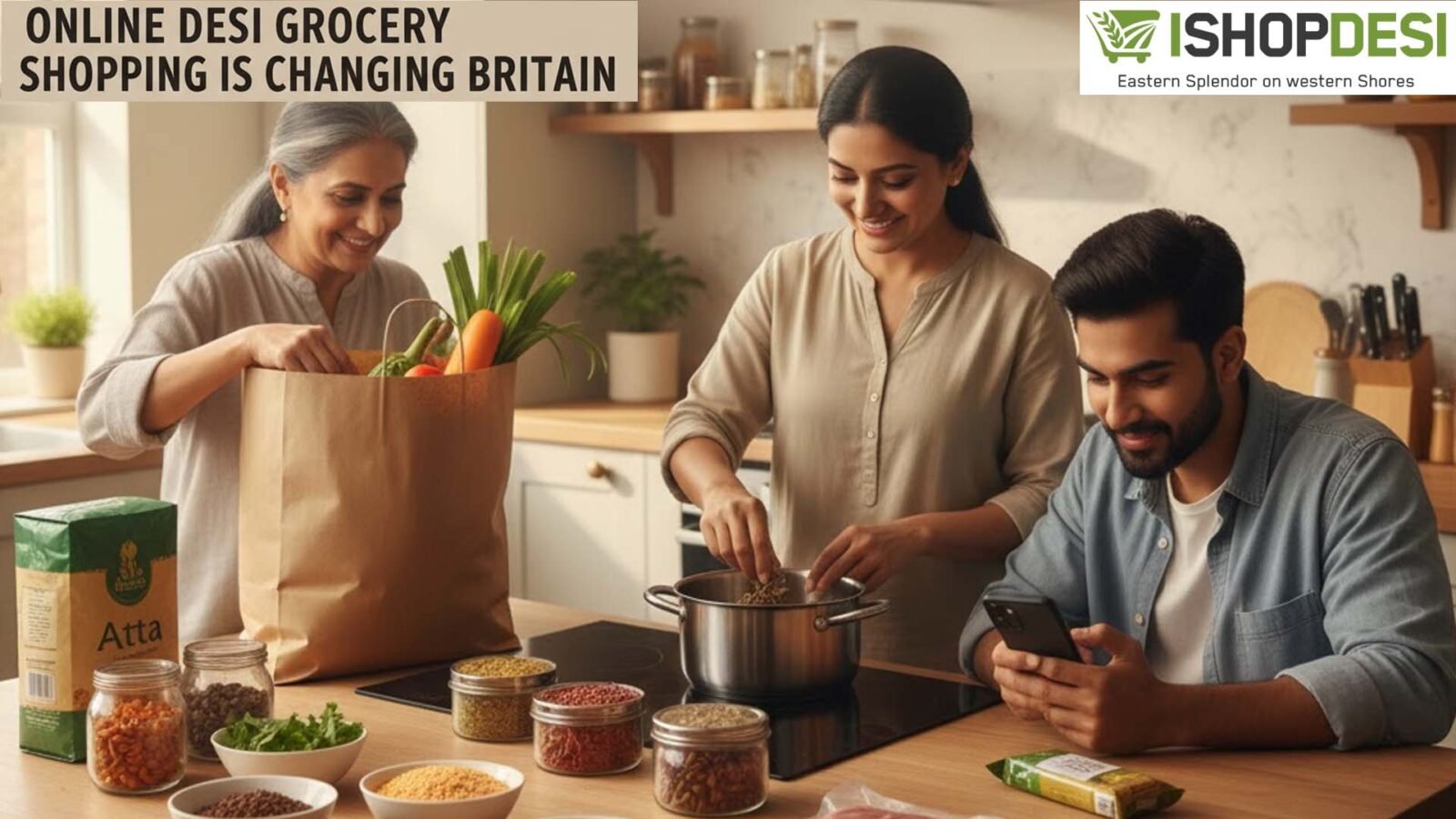
A Cultural, Practical & Digital Shift in Everyday Life
For South Asian communities living in Britain, grocery shopping has always been more than a routine task. It’s deeply connected to culture, family traditions, religious values, and everyday home life. From cooking daal and roti to preparing weekend biryani or Eid meals, desi groceries are part of identity — not just consumption.
In recent years, online desi grocery shopping in the UK has quietly transformed how these communities access essential food items. What started as a convenience for busy households has now become a reliable, trusted, and community-driven solution, reshaping daily life across cities like Luton, London, Birmingham, Manchester, Bradford, Leicester, Slough, and Milton Keynes.
This article explores how desi grocery delivery is changing South Asian communities in Britain, why adoption is accelerating, and what this shift means for families, local shops, and the future of halal and ethnic food access.
The Traditional Role of Desi Grocery Shopping in South Asian Households
For decades, South Asian families in the UK have relied on:
- Local halal butchers
- Neighbourhood desi grocery shops
- Ethnic food stores passed down through generations
These shops were not just places to buy groceries — they were community hubs. Shopkeepers knew customers by name, understood cultural preferences, and stocked products that mainstream supermarkets ignored.
Even today, families continue to prefer:
- Fresh halal meat from known butchers
- Specific atta, rice, and lentil varieties
- Trusted brands from Pakistan, India, and Bangladesh
- Authentic spices and home-style ingredients
The challenge has never been preference — it has been time, accessibility, and changing lifestyles.
Why Online Desi Grocery Delivery Became Necessary
Life in modern Britain looks very different from previous generations.
South Asian households today include:
- Dual-income families
- Students balancing work and study
- Elderly parents living with extended families
- Professionals commuting long distances
For many, visiting multiple shops every week is no longer practical. Carrying heavy grocery bags, waiting in queues, or rushing before shop closing times creates unnecessary pressure.
This is where desi grocery delivery in the UK has stepped in — not to replace local shops, but to bring them into the digital age.
How Online Platforms Are Preserving Culture, Not Diluting It
One concern within communities was whether online grocery shopping would weaken cultural connections. In reality, the opposite has happened.
Community-focused platforms allow families to:
- Order from the same local shops they already trust
- Access familiar brands and products
- Maintain halal standards without compromise
- Continue supporting independent desi businesses
Instead of shifting spending to large supermarket chains, online desi grocery platforms help preserve local commerce while adding convenience.
This balance is why adoption has grown so quickly across the UK.
The Impact on South Asian Families Across the UK
The shift toward online desi grocery shopping has had a noticeable impact on daily life.
Families report:
- Less stress around weekly shopping
- Better meal planning
- Improved access for elderly family members
- More time for family and community activities
For working parents and students, the ability to order groceries online means they no longer have to choose between cultural food and convenience.
Luton: A Clear Example of Community-Led Digital Change
The growth of desi grocery delivery in Luton highlights how quickly communities adopt services that truly understand their needs.
Luton has:
- A high concentration of South Asian and Muslim families
- Strong demand for halal meat and desi groceries
- Long-standing trust in local shops
When these trusted shops become available online, families don’t hesitate to use digital ordering — because the trust already exists.
This same pattern is now being replicated in other cities.
How Local Desi Shops Are Benefiting from Online Ordering
For shop owners, online desi grocery platforms have created new opportunities.
Benefits include:
- Increased sales without expanding physical space
- Access to customers who prefer online ordering
- Better inventory movement
- Stronger visibility within local communities
Importantly, shop owners maintain control over:
- Pricing
- Product selection
- Quality standards
This keeps the business model fair, sustainable, and community-oriented.
The Role of Halal Integrity in Desi Grocery Delivery
For South Asian Muslim families, halal is non-negotiable.
Online desi grocery platforms that succeed understand:
- Halal meat must come from trusted sources
- Transparency matters
- Reputation travels fast within communities
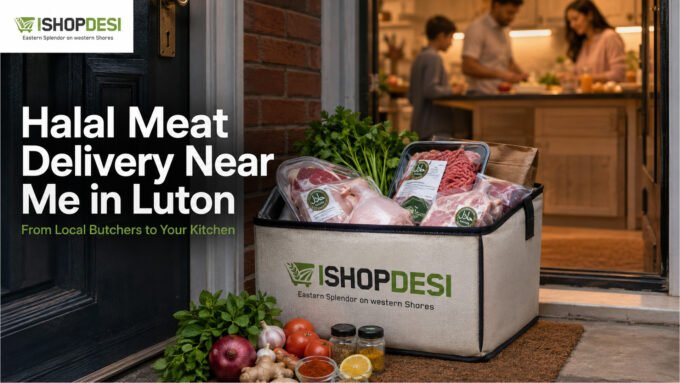
This is why platforms focused on halal grocery delivery UK and halal meat delivery UK are outperforming generic grocery apps in ethnic markets.
Technology Is Now Bridging Generations
Another important change is how technology is being used across generations.
- Younger family members place orders
- Elderly parents guide product selection
- Households shop collaboratively
Online desi grocery shopping has become a shared family activity rather than an individual task, strengthening involvement rather than reducing it.
Expansion Beyond Luton: A Nationwide Shift
What started in smaller, well-connected communities is now expanding into:
- London – borough-level growth
- Birmingham – large South Asian population
- Manchester – growing halal demand
- Bradford, Leicester, Slough & Milton Keynes
Across all these cities, the pattern is consistent:
when local trust meets digital convenience, adoption follows naturally.
Why This Shift Is Long-Term, Not Temporary
Online desi grocery shopping is not a pandemic habit or a short-term trend.
It reflects:
- Permanent lifestyle changes
- Increased digital confidence
- Strong cultural food requirements
- A desire to support local businesses
As younger generations grow and older generations adapt, online grocery access becomes a permanent part of community life.
Final Thoughts: A Digital Evolution Rooted in Tradition
The rise of desi grocery delivery in the UK is not about abandoning tradition — it’s about protecting it in a modern world.
By combining:
- Local halal shops
- Trusted desi products
- Community-first platforms
- Simple digital access
South Asian communities across Britain are shaping a grocery model that respects culture while embracing progress.
To explore a community-focused desi and halal grocery platform in the UK, visit: 👉 https://www.ishopdesi.co.uk







Leave a comment