
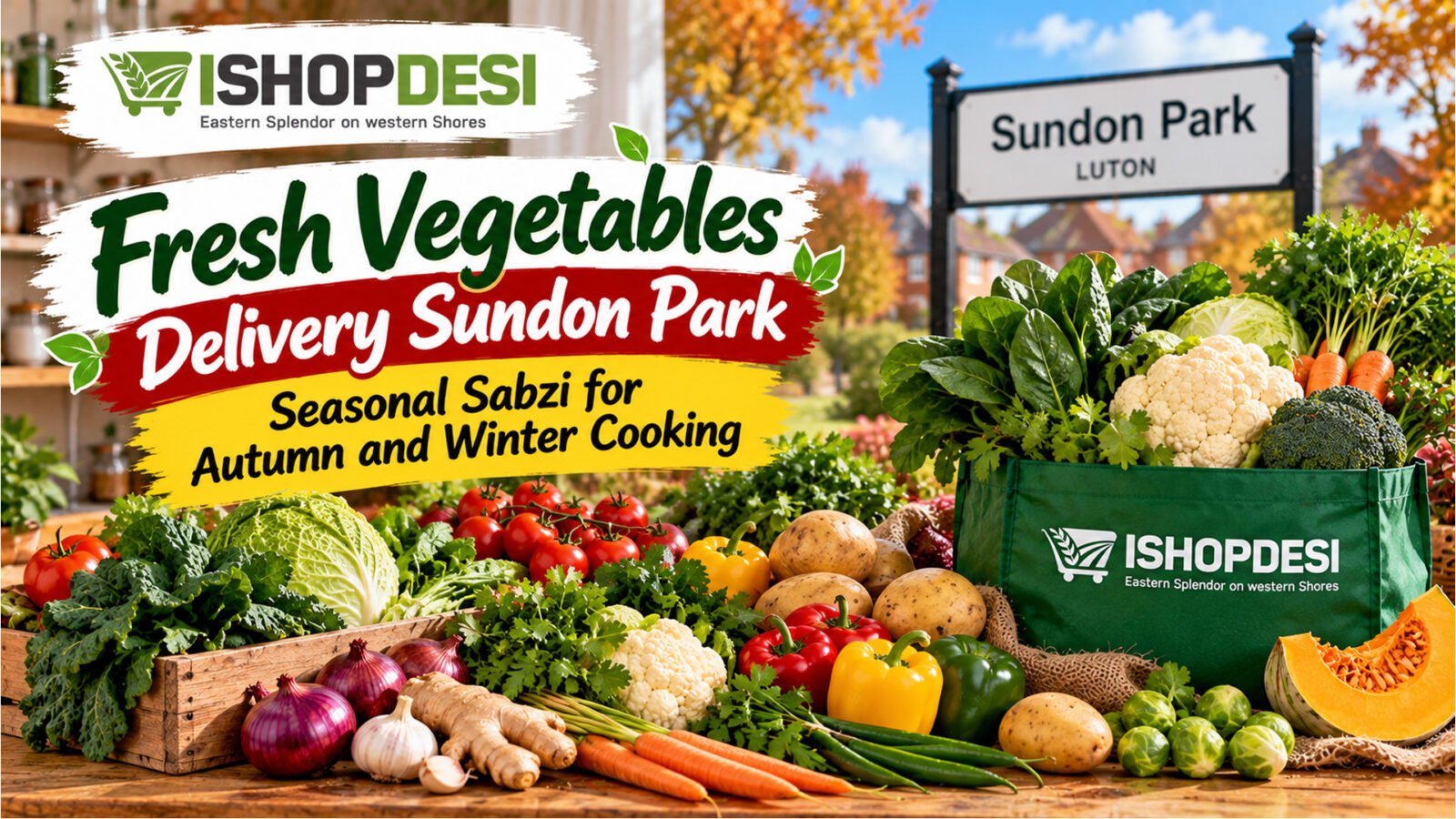
A cauliflower bought on a chilly October afternoon can become several very different meals.
Roast it with warming spices, and its edges turn golden while the centre becomes tender. Cook it with potatoes, and it takes on the familiar character of aloo gobi. Add it to a vegetable curry, and it absorbs the flavours surrounding it.
The ingredient hasn’t changed. The cooking method has.
This is one of the most interesting things about preparing South Asian vegetable dishes during the colder months. Autumn and winter produce can offer plenty of variety, provided you understand how different vegetables respond to heat, moisture and seasoning.
For households exploring fresh vegetables delivery Sundon Park, the challenge isn’t simply finding a selection of vegetables. It’s knowing which ones suit the meals you enjoy and how to prepare them without losing their natural texture.
From cabbage and cauliflower to spinach, carrots and potatoes, the colder seasons offer opportunities to revisit familiar sabzi recipes and experiment with different combinations.
Autumn and Winter Vegetables Deserve Their Own Cooking Approach
Summer vegetables and winter vegetables don’t always behave the same way.
Tender courgettes, for example, cook differently from dense carrots or potatoes. Leafy greens need a different approach from cauliflower florets, while cabbage can become either pleasantly tender or unpleasantly soggy depending on how it is prepared.
These differences matter when making sabzi.
A recipe that works beautifully with one vegetable may need adjustments when another takes its place.
Why Seasonal Cooking Is Worth Exploring
Seasonal vegetables can influence what people choose to prepare at home.
In the UK, produce commonly associated with autumn and winter includes various cabbages, carrots, cauliflower, leeks, parsnips and other root vegetables.
Availability, growing seasons and sourcing can vary, so not every product will necessarily be locally grown or available throughout the same months.
The useful approach is to explore what is currently available and choose vegetables that suit your cooking preferences.
South Asian Recipes Can Work with Familiar UK Vegetables
Traditional Indian, Pakistani and Bangladeshi cooking includes a wide range of vegetable preparations.
Some recipes use ingredients that are common in British supermarkets. Others rely on more specialised produce.
The interesting part is understanding how a vegetable’s texture works with a particular cooking method.
For example, cabbage can be prepared as a relatively dry sabzi, while cauliflower may be cooked with potatoes and suitable spices.
Seasonal cooking doesn’t require abandoning traditional recipes.
It simply encourages a more thoughtful approach to choosing ingredients.
Cauliflower: From Aloo Gobi to Spiced Roasted Florets
Cauliflower is particularly adaptable because it responds well to several cooking methods.
Its mild flavour allows it to work with turmeric, cumin, coriander and other seasonings used in South Asian cooking.
However, cauliflower can lose its desirable texture when cooked for too long.
Aloo Gobi: Getting the Texture Right
Aloo gobi is a familiar combination of cauliflower and potatoes.
The difficulty is that the two vegetables do not always cook at the same rate.
Potatoes are generally denser, while small cauliflower florets may soften relatively quickly.
If everything is added without considering size and cooking time, the cauliflower may become too soft before the potatoes are ready.
A practical solution: Cut ingredients into suitable pieces and follow a recipe that accounts for their different cooking requirements.
Depending on the method, the potatoes may need additional cooking time.
Roasted Cauliflower with Desi Spices
Roasting creates a different result from simmering cauliflower in a curry.
The dry heat can encourage browning and produce a pleasantly roasted flavour.
A simple seasoning mixture might include oil, turmeric, cumin, coriander and chilli, depending on preference.
Avoid coating the florets in excessive liquid if the goal is a roasted surface.
Arrange them with sufficient space on the baking tray and cook until appropriately tender.
When Cauliflower Becomes Too Soft
Overcooking is a common cause.
Large amounts of added water can also affect the texture in recipes intended to be relatively dry.
What to try: Use a suitable cooking method, monitor tenderness and avoid stirring aggressively once the florets begin to soften.
Cabbage: The Vegetable That Benefits from Simplicity
Cabbage is sometimes overlooked in Desi cooking conversations.
Yet it can work well in relatively straightforward sabzi preparations.
Its naturally mild flavour gives the spices room to contribute without requiring a complicated sauce.
Cabbage Sabzi with Cumin and Turmeric
A cabbage preparation may begin with oil, cumin seeds, onions or other aromatics.
Shredded cabbage can then be cooked with suitable seasonings until it reaches the desired tenderness.
Some households prefer it with a little bite. Others enjoy a softer texture.
Both approaches can work, but the cooking time should reflect the intended result.
Why Cabbage Sometimes Becomes Watery
Cabbage releases moisture during cooking.
If the pan is overcrowded or a large amount of water is added unnecessarily, the dish may become wetter than intended.
For a dry-style sabzi, use a suitable pan and cooking method that allows excess moisture to be managed.
Avoid adding water simply because the vegetables initially appear dry.
What Can You Serve with Cabbage Sabzi?
Cabbage pairs well with roti and other suitable accompaniments.
It can also be served alongside a lentil dish.
For ideas on combining vegetables with traditional pantry ingredients, IShopDesi’s guide to Desi kitchen essentials in Sundon Park explores ingredients used in everyday home cooking.
Carrots and Root Vegetables: More Than Soup Ingredients
Carrots become sweeter as they cook, making them interesting additions to savoury dishes.
Their texture also changes considerably depending on whether they are boiled, steamed, roasted or cooked in a pan.
Carrot and Pea Sabzi
Carrots and peas can create a colourful vegetable preparation.
The carrots may need additional time to soften, depending on how they are cut.
Peas have different cooking requirements, especially when using frozen rather than fresh produce.
A suitable recipe will account for these differences.
Seasoning can include cumin, turmeric, ginger or other familiar ingredients.
Roasted Root Vegetables with Desi Seasoning
Carrots, parsnips and other suitable root vegetables can be roasted with selected spices.
Roasting encourages a different flavour profile from boiling.
A little cumin or coriander may complement their natural sweetness.
However, not every root vegetable needs the same cooking time.
Cutting pieces into appropriate sizes can help achieve more even results.
Don’t Treat Every Root Vegetable Like a Potato
Parsnips, carrots and potatoes have different textures and flavour characteristics.
Substituting them freely in a traditional curry can significantly change the finished dish.
If you’re experimenting with a vegetable unfamiliar to the recipe, start with a small quantity.
That allows you to judge whether its texture and sweetness suit the preparation.
Spinach and Leafy Greens: Timing Makes the Difference
Leafy vegetables behave very differently from root vegetables.
Spinach, for instance, reduces considerably in volume when cooked.
That can surprise someone preparing it for the first time.
A large quantity of raw leaves may become a much smaller cooked portion.
Spinach Sabzi with Garlic
A simple spinach dish can highlight the flavour of the greens without requiring an elaborate gravy.
Garlic, onions and selected spices may be used according to the recipe.
The key is to avoid unnecessarily prolonged cooking.
Different spinach preparations call for different textures, so follow the chosen method.
Saag and Spinach Are Not Always the Same Dish
The term saag is associated with leafy green preparations and may involve different vegetables, including mustard greens, spinach or other greens depending on the regional recipe.
A dish made entirely with spinach can differ significantly from one containing mustard greens.
This distinction matters when following traditional recipes.
Why Greens Release So Much Water
Leafy vegetables contain substantial moisture.
As they cook, that moisture is released into the pan.
The desired consistency determines whether it should be reduced or incorporated into the dish.
A dry-style spinach preparation requires a different approach from a softer saag.
Choosing Vegetables for the Cooking Method
Instead of buying several vegetables and deciding what to do with them later, consider which cooking method you’re planning to use.
Some ingredients perform better when roasted. Others suit a quick pan preparation or a longer simmer.
| Vegetable | Cooking method to consider | Main challenge |
|---|---|---|
| Cauliflower | Roasting, aloo gobi, curry | Preventing excessive softness |
| Cabbage | Dry-style sabzi, sautéing | Controlling released moisture |
| Carrots | Roasting, vegetable curry | Allowing enough time to soften |
| Potatoes | Aloo sabzi, mixed vegetable dishes | Choosing suitable cooking time |
| Spinach | Quick cooking, saag-style dishes | Managing moisture and volume |
| Parsnips | Roasting, selected vegetable combinations | Balancing natural sweetness |
This method-first approach helps reduce the frustration of choosing unsuitable vegetables for a particular recipe.
It also encourages more varied meals without requiring completely new cooking techniques.
The Role of Spices in Autumn and Winter Sabzi
Colder-weather cooking doesn’t necessarily require using more chilli or heavier masalas.
The aim is to choose seasonings that complement each vegetable.
Cumin can contribute warmth. Turmeric adds colour and an earthy note. Coriander powder offers a different aromatic character.
Ginger and garlic can also influence the flavour.
However, using all these ingredients together isn’t necessary for every dish.
Whole Spices and Ground Spices Behave Differently
Whole cumin seeds may be added to hot oil as part of a tempering technique.
Ground spices are usually incorporated differently.
The timing influences their flavour.
For cooks comparing seasonings, IShopDesi’s guide to Pakistani spices online UK provides additional information on commonly used spices.
More Masala Isn’t Always the Answer
A vegetable dish may taste disappointing because the ingredients are undercooked, overcooked or poorly balanced.
Adding more spice won’t automatically correct those problems.
Before adjusting the seasoning, consider the texture, moisture level and cooking method.
Sometimes, the vegetable itself needs more attention than the masala.
Three Autumn and Winter Sabzi Dinner Ideas
A useful seasonal meal doesn’t need several complicated dishes.
These combinations demonstrate how different vegetables can create distinct eating experiences.
Dinner One: Aloo Gobi with Chapati and Yoghurt
Aloo gobi combines familiar ingredients in a relatively dry preparation.
The potatoes provide substance, while the cauliflower contributes a different texture.
Serve with chapati and plain yoghurt if suitable for your preferences.
Cooking focus: Managing the different cooking times of potatoes and cauliflower.
Dinner Two: Cabbage Sabzi with Daal and Rice
Cabbage prepared with cumin and other suitable seasonings can accompany a simple lentil dish.
The contrast between the vegetables and soft daal creates a satisfying combination.
Choose the lentil variety according to the texture you prefer.
Cooking focus: Preventing the cabbage from becoming excessively watery.
Dinner Three: Roasted Vegetables with Spiced Chickpeas
Carrots, cauliflower and other suitable vegetables can be roasted while chickpeas are prepared separately.
A simple spice mixture can connect the flavours.
This combination works well when you want a meal that doesn’t depend on a traditional gravy.
Cooking focus: Choosing vegetables with compatible roasting requirements and ensuring the chickpeas are prepared safely.
These ideas can be adjusted according to the ingredients available and the recipes your household enjoys.
How to Choose Fresh Vegetables Without Buying Too Much
Fresh produce is useful only when it reaches the cooking pan in suitable condition.
Buying several varieties may appear practical, but excessive quantities can create waste if they’re not used in time.
Consider How Quickly Each Vegetable Deteriorates
Leafy greens may require more immediate attention than some root vegetables.
However, actual storage life depends on freshness, condition and storage arrangements.
Check produce when it arrives and follow appropriate storage guidance.
Buy for Realistic Cooking Plans
A household might enjoy cauliflower, cabbage and spinach, but preparing all three within a short period may not be practical.
Choose quantities according to the meals you genuinely expect to make.
Understand Pack Sizes
Vegetables sold by weight or in packs may provide different numbers of servings depending on the recipe.
A whole cabbage, for example, may be more than a small household needs for one meal.
Consider whether the remaining quantity can be used appropriately in another dish.
Compare Seasonal Options
When looking for seasonal vegetables online Luton, review the current product selection rather than assuming every autumn or winter vegetable will always be available.
Seasonal supply can change, and retailers may source produce from different regions.
The most useful product is one that suits your recipe and can be used while it remains in good condition.
What Happens When Fresh Vegetables Are Stored Incorrectly?
Poor storage can affect texture, flavour and usable life.
Different vegetables require different conditions.
Leafy Greens
Leafy vegetables often need suitable refrigerated storage.
Excess moisture or inappropriate packaging can contribute to deterioration.
Follow product-specific guidance and use them while fresh.
Potatoes
Potatoes have different storage requirements from leafy greens.
For domestic food safety, current UK guidance recommends storing potatoes in a cool, dry, dark place, and refrigeration can be suitable.
Avoid exposure to light that may encourage greening.
Do not use potatoes showing significant greening or other signs of unsuitability.
Cabbage and Cauliflower
These vegetables generally benefit from appropriate cool storage.
Their condition should be checked before preparation.
Discard produce that shows signs of spoilage.
Root Vegetables
Carrots and similar products may require different storage arrangements from potatoes.
Follow the retailer’s or product’s guidance.
A single storage method is not necessarily appropriate for every vegetable.
Common Mistakes When Cooking Seasonal Sabzi
Mistake One: Cutting Every Vegetable into the Same Size
Different vegetables have different densities.
Better approach: Prepare pieces according to the cooking method and the time each ingredient requires.
Mistake Two: Adding Too Much Water
Some vegetables release considerable moisture naturally.
Better approach: Follow the recipe and add liquid only when needed.
Mistake Three: Cooking Leafy Greens for Too Long
Prolonged cooking may affect their colour and texture.
Better approach: Use a method suited to the dish and monitor the greens as they cook.
Mistake Four: Using the Same Masala for Every Vegetable
A heavily seasoned mixture may overpower delicate ingredients.
Better approach: Choose seasonings that complement the vegetable and regional recipe.
Mistake Five: Buying Fresh Produce Without Considering Storage
An ambitious purchase may become wasteful if the vegetables cannot be used or stored appropriately.
Better approach: Match quantities to intended meals and available storage space.
Exploring Fresh Vegetable Delivery in Sundon Park, Luton
For households interested in fresh vegetables online Sundon Park, reviewing the available product selection is a useful starting point.
Different vegetables suit different cooking methods.
Cauliflower may be selected for aloo gobi or roasting. Cabbage can work well in dry-style sabzi. Carrots and other root vegetables may suit certain curries or oven preparations.
The choice should follow the recipe.
Review Product Information Before Ordering
When exploring vegetables online, check the available information about:
- Product type and variety
- Weight or pack quantity
- Current availability
- Storage guidance where provided
- Relevant product descriptions
- Applicable delivery conditions
If a particular vegetable isn’t available, consider whether a substitution genuinely suits the intended dish.
A different ingredient may change the cooking time, moisture level or flavour.
Consider the Other Ingredients Needed
Fresh vegetables are only one part of a sabzi recipe.
Depending on the dish, you may need onions, ginger, garlic, spices, lentils or rice.
IShopDesi provides an online platform for exploring South Asian grocery categories and related food essentials.
For broader vegetable-shopping ideas, its article on fresh vegetables online in Limbury discusses produce used in familiar Asian and Desi preparations.
Customers can explore available products through IShopDesi and check current delivery conditions.
Before purchasing, confirm whether delivery is offered to your specific Sundon Park postcode.
Availability and delivery arrangements may change, so they should always be checked at the time of ordering.
Frequently Asked Questions
Which vegetables are commonly associated with autumn and winter in the UK?
Examples include cabbage, cauliflower, carrots, leeks, parsnips and other root vegetables. Availability and local growing seasons vary.
Can UK seasonal vegetables be used in traditional Desi cooking?
Yes. Many familiar vegetables can be used in suitable Indian, Pakistani and Bangladeshi preparations. Choose recipes appropriate to their textures and flavours.
Which vegetable works best for aloo gobi?
Aloo gobi is traditionally prepared with potatoes and cauliflower. The size of the pieces and cooking method affect the finished texture.
Why does cabbage sabzi become watery?
Cabbage releases moisture while cooking. Excess added water, overcrowding or prolonged cooking can affect the consistency.
Can carrots and parsnips be used in Desi-style dishes?
Yes, when they suit the recipe. Their sweetness and texture may require adjustments to seasoning and cooking time.
What is the difference between spinach and saag?
Spinach is a specific leafy vegetable. Saag describes a range of leafy-green preparations that may use spinach, mustard greens or other greens, depending on the recipe.
Which spices work well with winter vegetables?
Cumin, coriander, turmeric, ginger and garlic are used in various South Asian vegetable dishes. The suitable combination depends on the recipe.
How can I stop cauliflower from becoming mushy?
Avoid unnecessarily long cooking, prepare suitable floret sizes and use a method designed for the intended texture.
How should fresh vegetables be stored after delivery?
Storage requirements differ by vegetable. Follow appropriate product guidance and food-safety recommendations.
Can I order fresh vegetables online in Sundon Park, Luton?
You can explore online grocery platforms such as IShopDesi. Confirm current vegetable availability and delivery eligibility for your Sundon Park address before ordering.
Conclusion: Let the Season Inspire the Sabzi
Autumn and winter vegetables bring their own textures, flavours and cooking possibilities.
Cauliflower can become a comforting aloo gobi or develop a roasted character in the oven. Cabbage responds well to simple seasonings when its moisture is managed carefully. Carrots and other root vegetables offer sweetness, while leafy greens bring a different dimension to familiar meals.
The most satisfying dishes come from understanding these differences rather than preparing every vegetable in exactly the same way.
For Sundon Park households, exploring seasonal produce can be an opportunity to make everyday sabzi more varied.
Choose vegetables suited to the dish, cook them with attention to texture and use spices to complement their natural flavour.
Good seasonal cooking isn’t about making every meal more elaborate.
It’s about noticing what each ingredient can bring to the table.














Leave a comment