
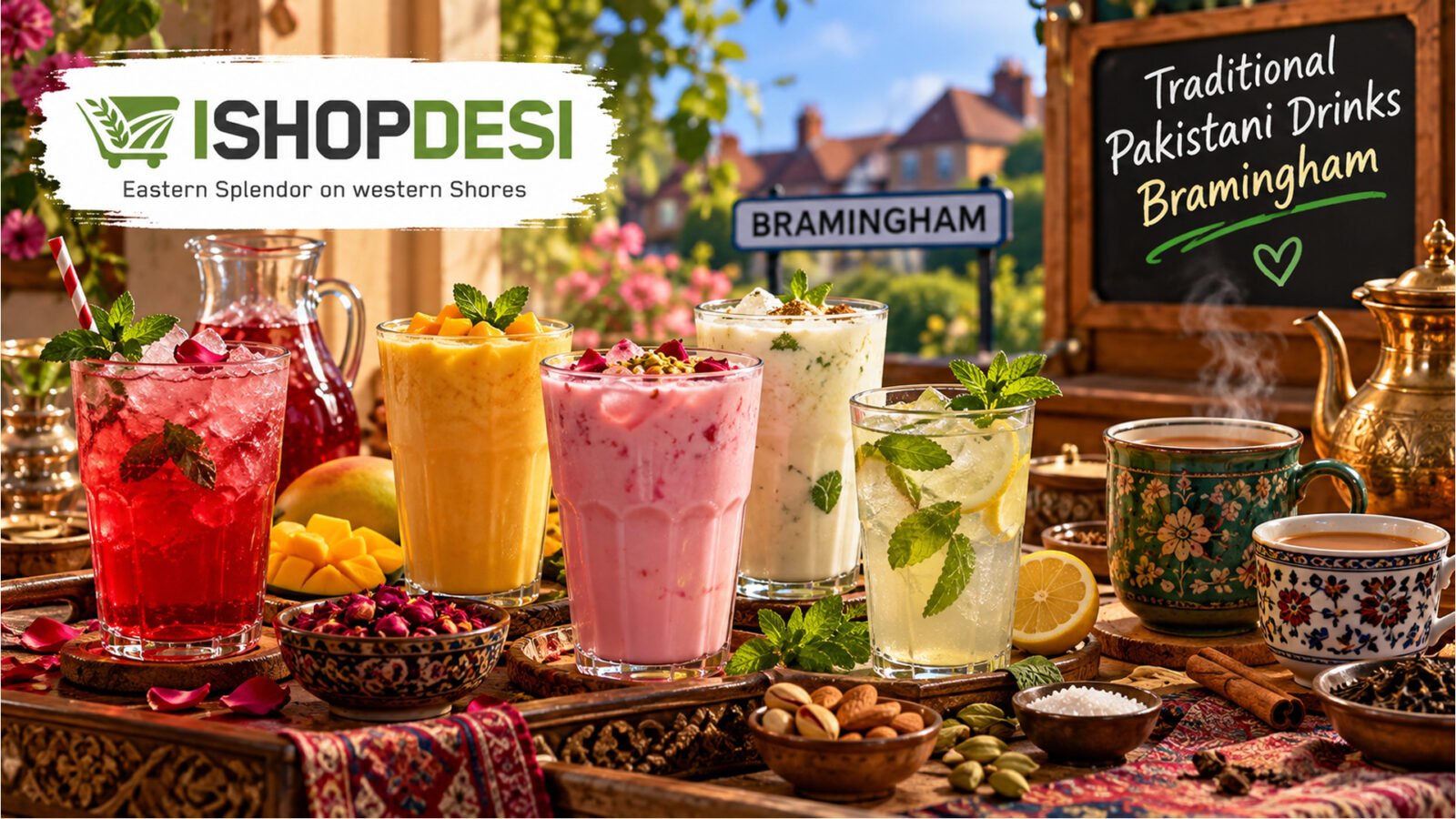
There is a particular sound that many people who grew up in Pakistani households will recognise: a spoon stirring a tall glass of sharbat, ice cubes knocking against the sides, and someone in the kitchen asking whether it needs a little more water.
It is a small moment, but one that can bring back an entire summer.
Perhaps your memories are different. Maybe it’s a glass of freshly blended lassi served with a weekend breakfast, your mother’s doodh patti simmering on the stove, or a tray of cold drinks appearing whenever relatives visit.
These drinks are more than familiar recipes. They reflect regional tastes, family habits and the simple pleasure of offering someone something refreshing.
For households interested in Traditional Pakistani Drinks Bramingham, recreating these flavours in Luton doesn’t have to be complicated. Many traditional refreshments begin with everyday ingredients, and learning how to combine them properly can make all the difference.
Whether you prefer a fragrant sharbat, a creamy lassi or a carefully brewed cup of chai, there’s plenty to explore beyond ordinary bottled soft drinks.
Why Pakistani Drinks Have Such Distinctive Flavours
Think about the difference between a glass of lemonade and a homemade sharbat.
Both can be refreshing, but their personalities are entirely different.
Pakistani drink traditions draw on ingredients such as yogurt, milk, tea, almonds, rose-flavoured syrups, lemon, cardamom and regional grain preparations. Some recipes are wonderfully simple; others require patience and a little technique.
There isn’t one universal Pakistani way of preparing every drink, either.
A family in Lahore might favour a rich, sweet lassi, while someone raised in another region may prefer a lightly salted version. One household prepares chai with plenty of milk; another enjoys a stronger tea flavour.
These variations are part of what makes traditional refreshments interesting.
You don’t need to recreate somebody else’s recipe perfectly. Understanding the basic ingredients gives you room to discover the version you enjoy most.
Rooh Afza and Sharbat: The Flavour of a Pakistani Summer
For many Pakistani families, Rooh Afza is closely associated with summer afternoons, Ramadan gatherings and chilled drinks shared around the table.
Its distinctive sweet, aromatic flavour makes it a recognisable choice for preparing sharbat.
Yet the experience can vary considerably depending on how you serve it.
Water-Based Sharbat: Light, Fragrant and Refreshing
A simple version begins with cold water, a measured amount of syrup and ice.
The important word here is measured.
Concentrated syrups can be intensely sweet. Adding too much at the beginning often leaves you trying to rescue the drink with extra water.
A better method is to start with less syrup than you think you need, stir thoroughly and taste before adding more.
Some people enjoy a squeeze of lemon for contrast, although the result will depend on the particular syrup.
Milk Sharbat: A Creamier Alternative
Mixing a suitable rose-flavoured syrup with chilled milk produces a richer drink.
It has a different character from water-based sharbat and may appeal to people who enjoy creamy refreshments.
Add the syrup gradually and stir or blend until evenly combined. Always follow the product’s serving guidance.
Finding Familiar Syrups in the UK
If you’re exploring Rooh Afza online UK, check the actual product name, pack size, ingredients and storage instructions before purchasing.
Not every rose-flavoured drink concentrate has the same taste or formulation.
For anyone trying to recreate a particular childhood favourite, choosing the right product matters more than simply buying something with similar packaging.
Sweet Lassi or Salted Lassi? Two Drinks with Different Personalities
Lassi is a wonderful example of how a few ordinary ingredients can produce completely different flavours.
Yogurt forms the base, but the final result depends on its thickness, the amount of liquid added and the seasonings used.
Sweet Lassi: Smooth, Creamy and Comforting
Sweet lassi is often associated with relaxed breakfasts, warm afternoons and traditional meals.
A basic homemade version can be prepared using plain yogurt, chilled water or milk, and sugar according to preference.
Blend until smooth, then taste.
If the drink is too thick, add a little more liquid. If it feels watery, a thicker yogurt may produce a better texture next time.
Some families add cardamom or other flavourings, but a good plain version needs very little embellishment.
Salted Lassi: A Completely Different Experience
Salted lassi takes the same yogurt base in a savoury direction.
Instead of sugar, it uses salt, with optional additions such as roasted cumin depending on household preference.
It can be served alongside savoury meals, particularly when a sweet drink doesn’t appeal.
The balance is important. Too much salt or spice can overwhelm the yogurt’s natural flavour.
How to Get the Texture Right
The most common mistake is adding too much water before blending.
Start with the yogurt and a modest amount of liquid. You can always thin the drink later.
When shopping for lassi ingredients UK, consider the type of yogurt you’re buying. Natural yogurt, thick yogurt and sweetened yogurt may behave differently in a recipe.
Also check whether the yogurt contains added sugar or flavourings before adjusting your ingredients.
Good lassi isn’t necessarily the thickest or sweetest. It’s the one with the consistency and flavour you enjoy drinking.
Beyond Lassi: Traditional Refreshments Worth Rediscovering
Rooh Afza and lassi may be among the most recognisable drinks, but Pakistani households have a much wider collection of refreshments.
Some are associated with particular regions. Others are prepared differently from one family to another.
Sattu Sharbat: A Distinctive Traditional Drink
Sattu is a roasted flour preparation, commonly made from roasted gram or other grains depending on the variety.
It can be mixed into a drink using water and other ingredients.
Some versions are sweet, while others have a savoury character.
If you’re trying sattu for the first time, check what the product contains and whether it is suitable for direct use in drinks. Not every flour sold in a grocery shop is interchangeable with prepared sattu.
The result is quite different from a fruit-based refreshment, making it an interesting choice for anyone exploring regional food traditions.
Nimbu Pani: Simple, but Surprisingly Easy to Get Wrong
Lemon, water and a little sweetness may sound like the easiest drink imaginable.
However, balancing sourness and sweetness takes some attention.
Begin with fresh lemon juice and cold water. Add sugar gradually, or use another suitable sweetener if preferred.
Some households enjoy a pinch of salt or spices.
The key is to taste as you go rather than following a fixed quantity without considering the lemons’ acidity.
Badam Milk: Richness in a Glass
Badam milk is a milk-based drink featuring almonds and, in some recipes, cardamom, saffron or other flavourings.
It can be served warm or chilled depending on the preparation.
For homemade versions, almonds may need soaking, peeling or blending to achieve the desired texture.
Anyone preparing it for guests should remember that almonds are tree nuts and can cause serious allergic reactions in susceptible individuals.
Mango-Based Refreshments
Mango drinks are another familiar part of South Asian food culture.
A homemade mango drink may be prepared with fruit and milk, yogurt or water, depending on the recipe.
Fruit ripeness has a major influence on flavour, so additional sugar may not always be necessary.
These drinks are particularly enjoyable when made with ingredients that suit your preferred level of sweetness and richness.
Exploring Pakistani sharbat traditions can be a pleasant way to discover these different ingredients and family-style variations without relying on a single recipe.
When Bramingham Evenings Turn Cold, Chai Takes Over
A cold glass of sharbat might remind someone of a Pakistani summer, but a chilly evening in Luton often calls for something entirely different.
This is where traditional tea becomes especially appealing.
The aroma of simmering milk and tea leaves can make an ordinary kitchen feel welcoming.
Doodh Patti: The Art of Getting the Balance Right
Doodh patti is known for its rich milk-based preparation.
Depending on the household recipe, tea is simmered with milk, sometimes with a little water, until the preferred strength develops.
One common problem is allowing the tea to become excessively strong or bitter.
Using too much tea or simmering it for too long can overpower the milk.
Start with a reasonable quantity, observe the colour and taste, and adjust your method over time.
A good cup should reflect your preference rather than somebody else’s idea of perfect tea.
Kashmiri Chai: A Drink That Rewards Patience
Kashmiri chai is distinctive for its preparation, flavour and, in many versions, its pink appearance.
Traditional methods commonly involve green tea, careful brewing, aeration and the use of milk. Recipes and techniques vary, including the use of a small amount of baking soda in some preparations.
Its characteristic colour doesn’t appear simply because pink colouring has been added.
Achieving the expected appearance can require practice, and the result may vary with the tea and method used.
It’s a drink worth learning properly rather than rushing through an oversimplified recipe.
Masala Chai: Finding Your Own Spice Balance
Masala chai can include ingredients such as cardamom, ginger, cinnamon and cloves.
However, using every spice at once isn’t necessary.
If you prefer a delicate flavour, cardamom alone may be enough. If you enjoy something more aromatic, a small combination of spices may work better.
For readers interested in understanding traditional flavouring ingredients, IShopDesi’s Pakistani spices online UK guide offers a related starting point.
The pleasure of homemade chai often comes from discovering your own preferred balance.
Which Pakistani Drink Should You Serve for Different Occasions?
Choosing a drink becomes easier when you consider the occasion rather than trying to impress everyone with an elaborate recipe.
| Occasion | Drink to consider | Serving idea |
| A warm afternoon | Nimbu pani | Serve chilled with fresh lemon |
| A leisurely weekend breakfast | Sweet or salted lassi | Adjust thickness to complement the meal |
| An evening with guests | Rose-flavoured sharbat | Prepare close to serving time |
| A cold, rainy day | Doodh patti | Serve freshly brewed |
| A family celebration | Badam milk | Offer in smaller portions if rich |
| A relaxed winter gathering | Kashmiri chai | Prepare ahead of serving with enough time for brewing |
These are suggestions rather than strict rules.
A family might enjoy lassi throughout the year, while another may serve sharbat only on special occasions.
What matters is choosing something that suits the people you’re serving.
Why Homemade Drinks Sometimes Don’t Taste Quite Right
You may follow a recipe carefully and still end up with a drink that feels disappointing.
Usually, the problem isn’t the recipe itself. It’s a small detail that changes the balance.
The Sharbat Is Too Sweet
Concentrated syrups need careful dilution.
If you’ve already added too much, additional water may reduce the sweetness, although it can also weaken the flavour.
Next time, measure the syrup first and adjust gradually.
The Lassi Is Thin and Watery
This often happens when too much liquid is added.
Use thicker yogurt or reduce the amount of water. Blend briefly and check the consistency before adding anything else.
The Chai Tastes Bitter
Tea strength, brewing duration and temperature can all affect the final taste.
Try using less tea or reducing the simmering time.
Avoid repeatedly boiling the same tea for an extended period.
The Drink Doesn’t Taste Fresh
Ingredient quality and storage conditions matter.
Use fresh ingredients, clean utensils and appropriate refrigeration for perishable drinks.
Milk- and yogurt-based refreshments should not be left sitting at room temperature for extended periods.
When serving guests, prepare quantities that can be handled and stored safely.
Choosing the Right Ingredients in Bramingham
For people exploring Pakistani drinks in Luton, the challenge is often not understanding the recipe but finding ingredients that produce the familiar flavour they remember.
A rose-flavoured concentrate may differ from the brand used at home. A particular yogurt may produce a thicker lassi. One variety of tea may create a stronger cup than another.
These differences are worth considering before buying.
When choosing ingredients, pay attention to a few practical details.
For sharbat: Check the concentrate’s flavour, ingredients, dilution guidance and storage requirements.
For lassi: Look at the yogurt’s texture, sweetness and fat content according to your preferences.
For chai: Consider tea type, strength and whether you’re preparing milk tea or a lighter infusion.
For almond drinks: Review ingredient labels and allergen information carefully.
For fruit refreshments: Choose suitable fresh or packaged fruit and check whether additional sweeteners are already present.
The aim isn’t to purchase the largest number of products. It’s to choose ingredients that help you prepare the drink you actually want.
How IShopDesi Can Help You Explore Familiar Drink Ingredients
Finding traditional ingredients can feel more straightforward when you’re able to explore relevant grocery categories in one place.
IShopDesi provides an online shopping platform focused on Asian and desi grocery needs, making it a useful place to explore listed products and familiar food categories.
If you’re interested in preparing homemade refreshments, you can check available listings for suitable ingredients, such as syrups, tea, dairy products, spices or other relevant grocery items.
The IShopDesi Customer App also provides a way to explore the shopping experience through a mobile device.
Product selection can change, so it’s important to check the current listings rather than assume a particular drink or ingredient is always available.
Bramingham residents should also confirm delivery eligibility and any applicable ordering conditions for their postcode.
A little attention to the actual product details can help you choose ingredients that match your preferred recipes.
Frequently Asked Questions About Traditional Pakistani Drinks
What are some popular traditional Pakistani drinks?
Popular examples include lassi, Rooh Afza-based sharbat, nimbu pani, doodh patti, Kashmiri chai and badam milk. Regional and family traditions also include sattu-based drinks and other homemade refreshments.
What is the difference between sweet lassi and salted lassi?
Both generally use yogurt as a base. Sweet lassi contains a sweetener, while salted lassi is seasoned with salt and sometimes spices such as roasted cumin. Their flavours and serving preferences are quite different.
Can Rooh Afza be mixed with milk instead of water?
Yes, Rooh Afza is commonly enjoyed with water or milk. The amount used should be adjusted according to the product’s instructions and personal taste.
How can I make homemade sharbat less sweet?
Begin with a smaller quantity of syrup, then add water gradually. Taste before increasing the concentration. Some recipes also use lemon to introduce a contrasting flavour.
Which Pakistani drinks are suitable for colder weather?
Doodh patti, Kashmiri chai, masala chai and warm badam milk are popular options for people who prefer hot drinks during colder months.
What is the secret to making smooth homemade lassi?
Use suitable yogurt, add liquid gradually and blend until the desired consistency develops. The proportions matter more than adding lots of extra ingredients.
Can I find ingredients for Pakistani drinks online in Bramingham?
Online Asian grocery platforms may offer relevant ingredients, depending on their current stock and delivery coverage. IShopDesi is one option to explore, with availability to be confirmed before ordering.
Conclusion: Keeping Familiar Flavours Part of Everyday Life
Food memories aren’t always attached to elaborate meals.
Sometimes they’re connected to something as ordinary as the glass your grandmother used for lassi, the particular sweetness of a summer sharbat or the way your family preferred its evening tea.
Those details are easy to overlook until you find yourself living somewhere new.
For Bramingham households, preparing familiar Pakistani refreshments can be a simple way to maintain those connections while adapting to everyday life in the UK.
You don’t need a special occasion to make lassi. A cold afternoon doesn’t have to be the only reason to brew chai. And a traditional drink doesn’t need to be complicated to be enjoyable.
Start with a flavour you remember. Find suitable ingredients, learn the method and make small adjustments until it tastes right to you.
IShopDesi can be part of that process by helping shoppers explore relevant grocery products online.
And perhaps the nicest part of preparing these drinks at home is that, one day, somebody else in the family may remember the way you made them.














Leave a comment